Celebrating Cultural Identity in South African Schools
How Pinnacle Colleges are preparing globally minded students through diversity, inclusion and respect
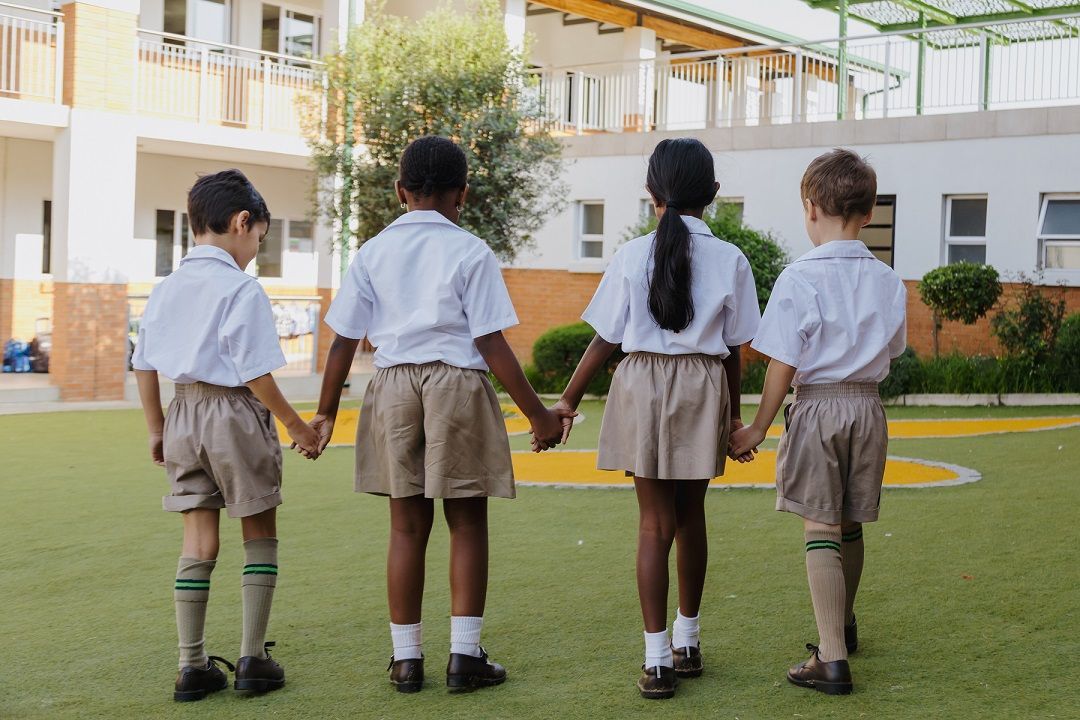
South Africa’s rich cultural landscape remains one of the country’s greatest strengths. Schools play a vital role in helping young people understand not only where they come from, but also how to engage respectfully and confidently in an increasingly interconnected world. As conversations around inclusion, identity and belonging continue to shape education globally, schools are being challenged to create environments where every student feels valued, heard and respected.
According to Christo de Wit, Chief Operating Officer, Community School Group at Advtech Schools Division, World Day for Cultural Diversity provides an important opportunity to reflect on how schools approach inclusion in everyday practice rather than limiting these conversations to annual events or themed celebrations.
“South Africa’s diversity is one of our greatest opportunities for learning,” says de Wit. “Students need more than exposure to different cultures. They need to develop the ability to engage respectfully, communicate effectively and work constructively across differences. Those skills are essential both socially and professionally.”
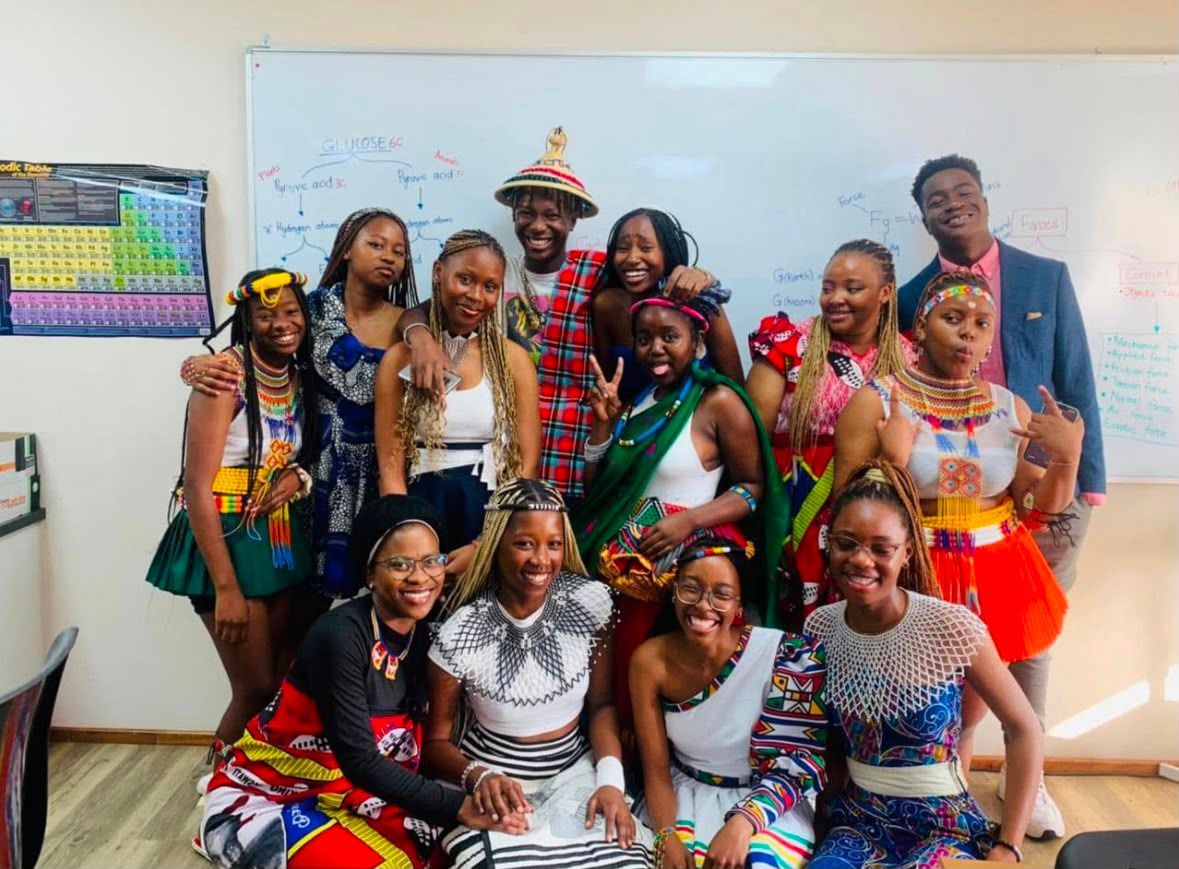
Cultural identity has become increasingly multi-layered in today’s fast-changing world. Students often balance family traditions, personal interests, modern influences and global perspectives while shaping their own sense of self. Schools therefore carry the responsibility of creating spaces where students feel comfortable expressing who they are while learning to appreciate the experiences of others.
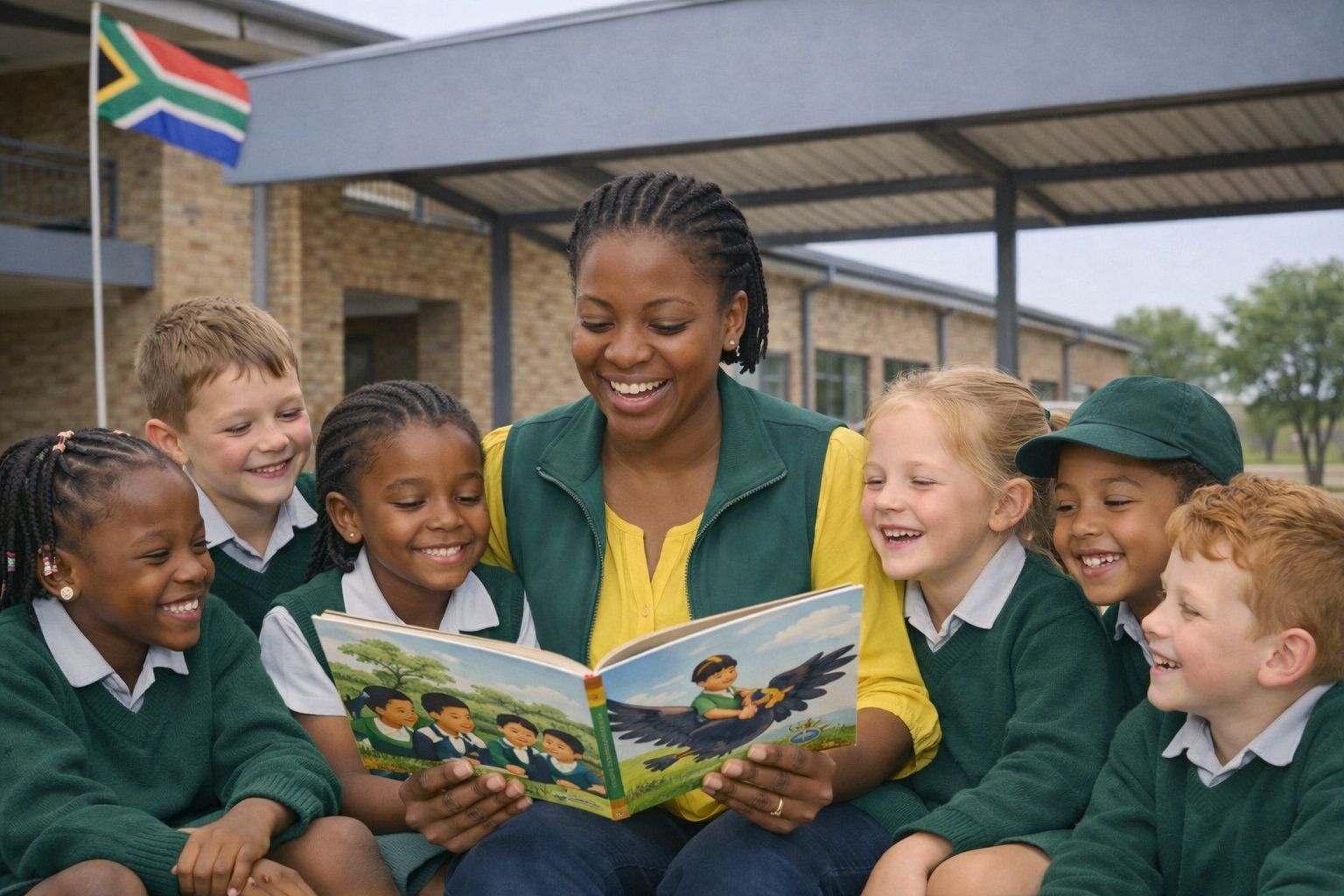
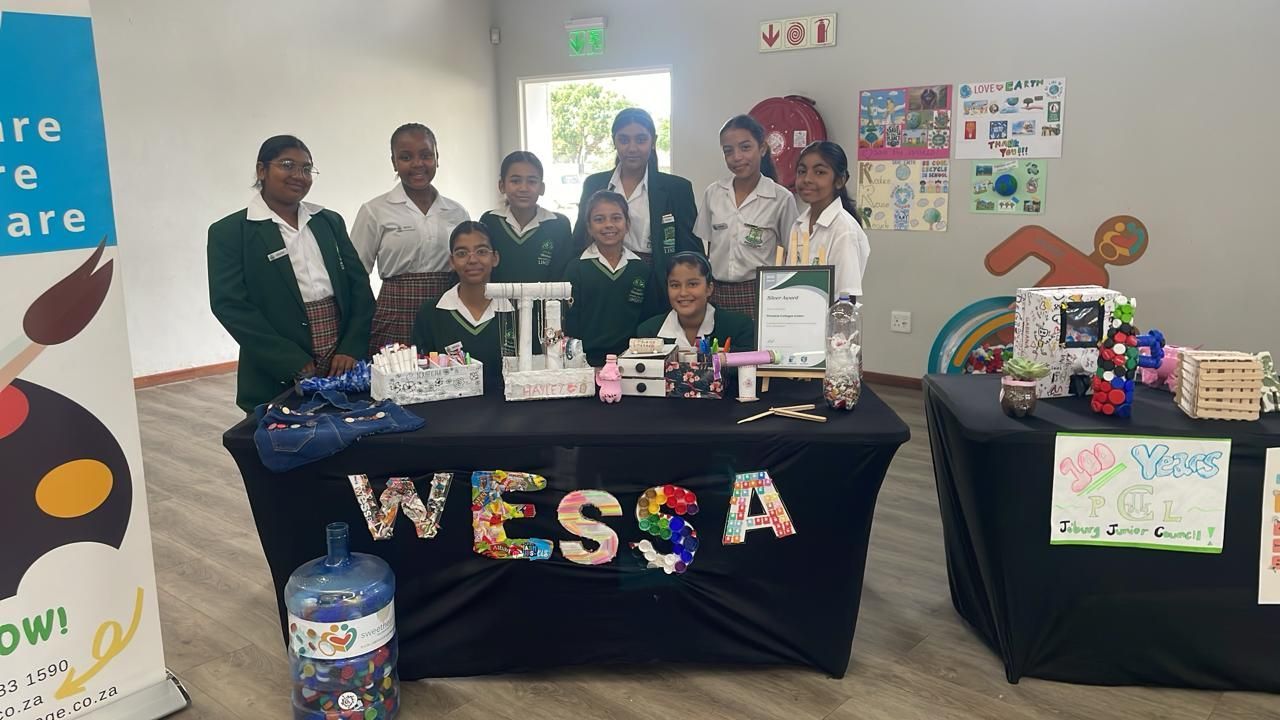
At Pinnacle Colleges, diversity is embedded into daily school culture rather than approached as a once-off initiative. Respectful interaction, student voice and consistent behavioural expectations form part of everyday school life across campuses. “Belonging cannot simply exist in policy documents,” explains de Wit. “Students should experience it in classrooms, on sports fields, during cultural activities and in the way, people interact every day. Genuine inclusion is built through consistent behaviour and mutual respect.”
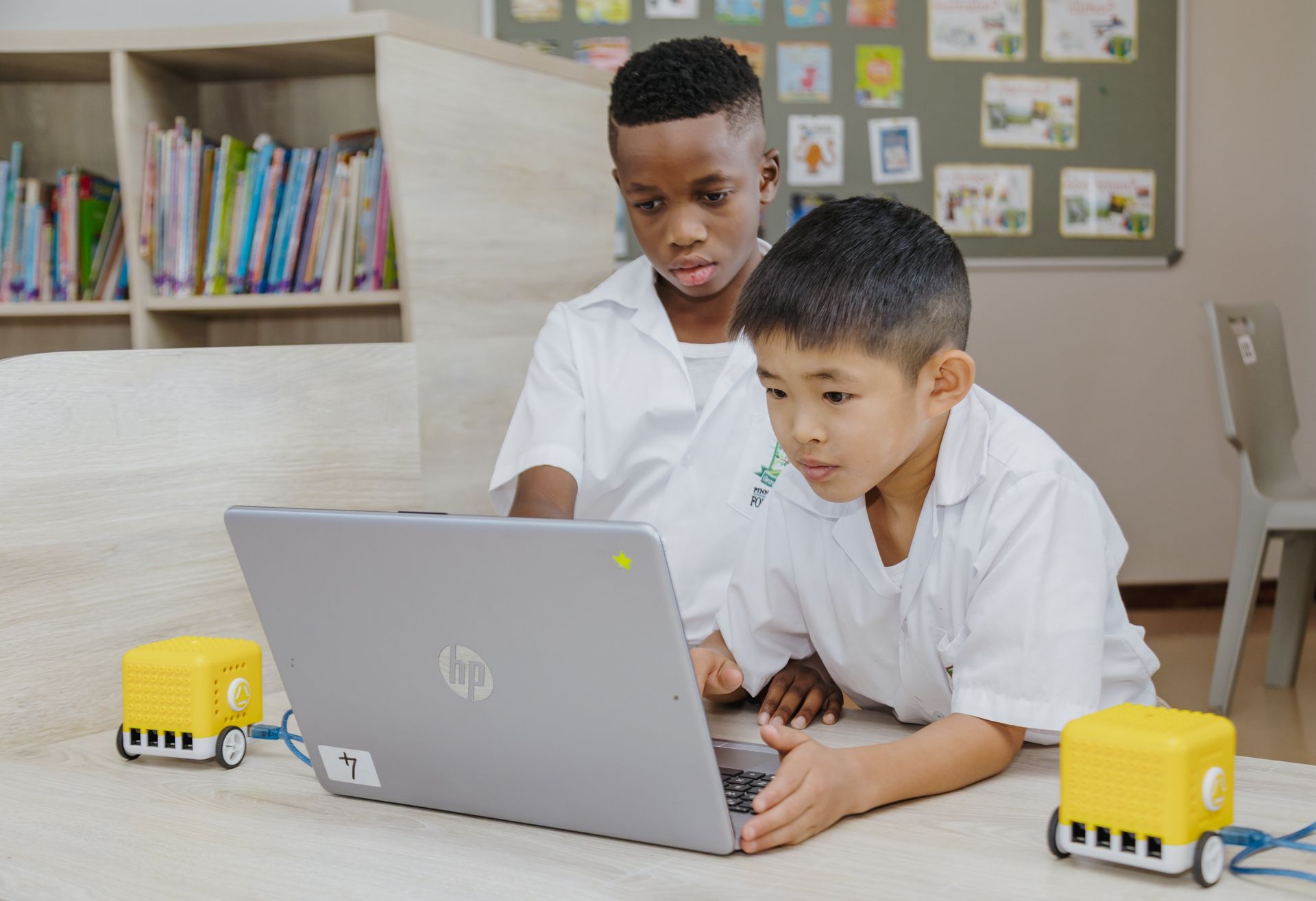
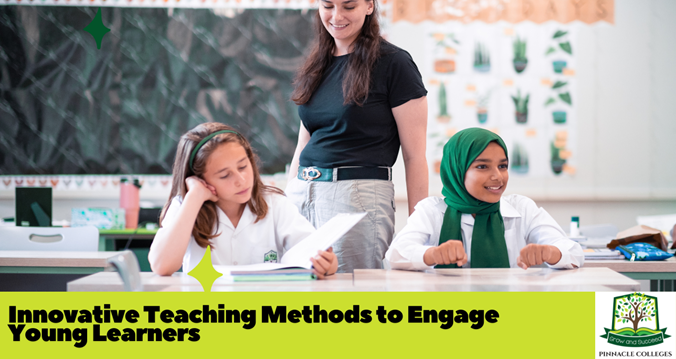
Teachers remain central to creating these environments. Classroom culture is shaped through fairness, empathy and the encouragement of respectful dialogue. Students are given opportunities to share perspectives, engage in discussion and collaborate across different backgrounds and experiences. These interactions help students build confidence while strengthening communication and leadership skills.
Respectful dialogue also plays a critical role in helping students move beyond stereotypes and assumptions. Exposure to diverse perspectives challenges thinking, encourages curiosity and strengthens problem-solving abilities. “Critical thinking develops when students are exposed to viewpoints that differ from their own,” says de Wit. “Students learn to question assumptions, listen carefully and engage thoughtfully. Those are essential skills in both education and life.” Student voice initiatives also contribute meaningfully to inclusive school culture. Structured feedback opportunities allow students to share their experiences, raise concerns and contribute ideas that help strengthen the school environment. Pinnacle Colleges’ four Promises surveys provide students with a safe and constructive platform to communicate openly. By inviting students to share their perspectives, schools foster a culture of mutual respect and accountability, signalling that student voices are a valued part of the educational experience. Insights gathered through feedback initiatives also provide teachers and school leadership teams with a clearer understanding of classroom dynamics, student wellbeing and the broader school climate. A school that listens is ultimately a school that adapts and evolves according to the real needs of its students.
Empathy remains another key focus in preparing students for the future. Diverse learning environments help students develop emotional intelligence, adaptability and cultural awareness, qualities increasingly valued by universities and employers around the world. “Modern workplaces and universities expect young people to collaborate across cultures and perspectives,” says de Wit. “Adaptability, empathy and communication are no longer optional soft skills. They are essential competencies.” Pinnacle Colleges’ future-focused academic approach also supports this broader development. Strong academic foundations are balanced alongside personal growth, leadership opportunities and collaborative learning experiences that prepare students to thrive locally and internationally. “The goal is not only academic success,” adds de Wit. “Character, empathy and cultural intelligence matter equally. Students need to leave school prepared to contribute meaningfully in diverse environments while remaining grounded in strong values.”
As South Africa continues navigating conversations around diversity and inclusion, schools remain uniquely positioned to shape how future generations engage with one another. Education has the power to foster understanding, challenge prejudice and build more compassionate communities.
Pinnacle Colleges believe that preparing globally minded students begins by helping young people recognise the value of every individual’s story, perspective and identity. Through respectful engagement, strong values and meaningful opportunities for connection, students are equipped not only to succeed academically, but also to lead with empathy and confidence in an increasingly diverse world.
Written By: Christo De Wit, Chief Operating Officer, Community Schools Group at Advtech Schools Division