Zero Waste, Maximum Impact: Small Changes, Powerful Habits at Pinnacle Colleges

Ineshree Naidoo • March 30, 2026

International conversations around sustainability continue to gain urgency, yet meaningful change often begins in the most ordinary spaces. Classrooms, playgrounds and even lunchboxes are becoming powerful platforms for environmental awareness at Pinnacle Colleges.


International Day of Zero Waste, observed on 30 March, presents an opportunity to rethink how waste is created and managed in daily life. A practical and student-centred approach is taking shape at Pinnacle College Linden, where sustainability is embedded not as a once-off campaign but as a lived value.


“International Day of Zero Waste highlights the importance of rethinking how we use and dispose of resources,” says Ineshree Naidoo, Principal of Pinnacle College Linden. “At Pinnacle College, this global conversation is brought into everyday student experiences through our approach to respect for self, others and the environment.”


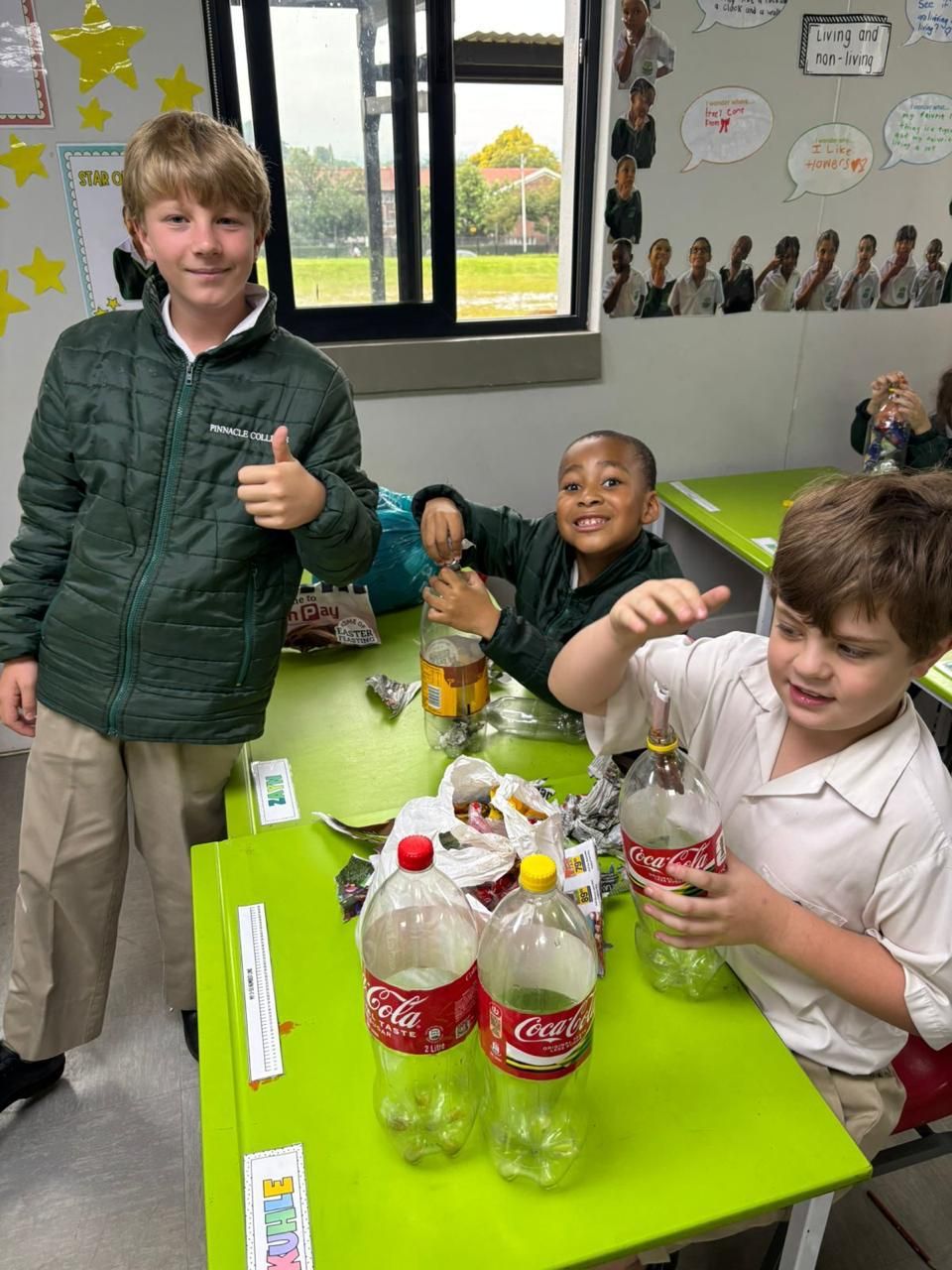
A simple yet practical Term 2 focus on “zero-waste lunches” reflects this philosophy. The idea, sparked by Kerry Gerlag, Deputy Head of the Intermediate Phase at Pinnacle College Linden, has been developed collaboratively within the school’s WESSA team. Emphasis is placed on reducing single-use packaging and encouraging students to bring snacks in reusable containers rather than relying on cling wrap or individually wrapped items. Focus remains on how food is packed, rather than what students eat, making the initiative both practical and inclusive.


Small adjustments, such as decanting snacks into reusable containers at home, are proving effective in reducing unnecessary waste. Awareness grows through repetition, while habits begin to shift through consistency.


“Perfectly waste-free lunches are not always realistic,” Naidoo explains. “Our aim is to build awareness through small, consistent changes that make a difference over time.”


Sustainability at Pinnacle Colleges extends well beyond lunchboxes. A structured partnership with WESSA has strengthened environmental programmes, ensuring that initiatives are both educational and impactful.


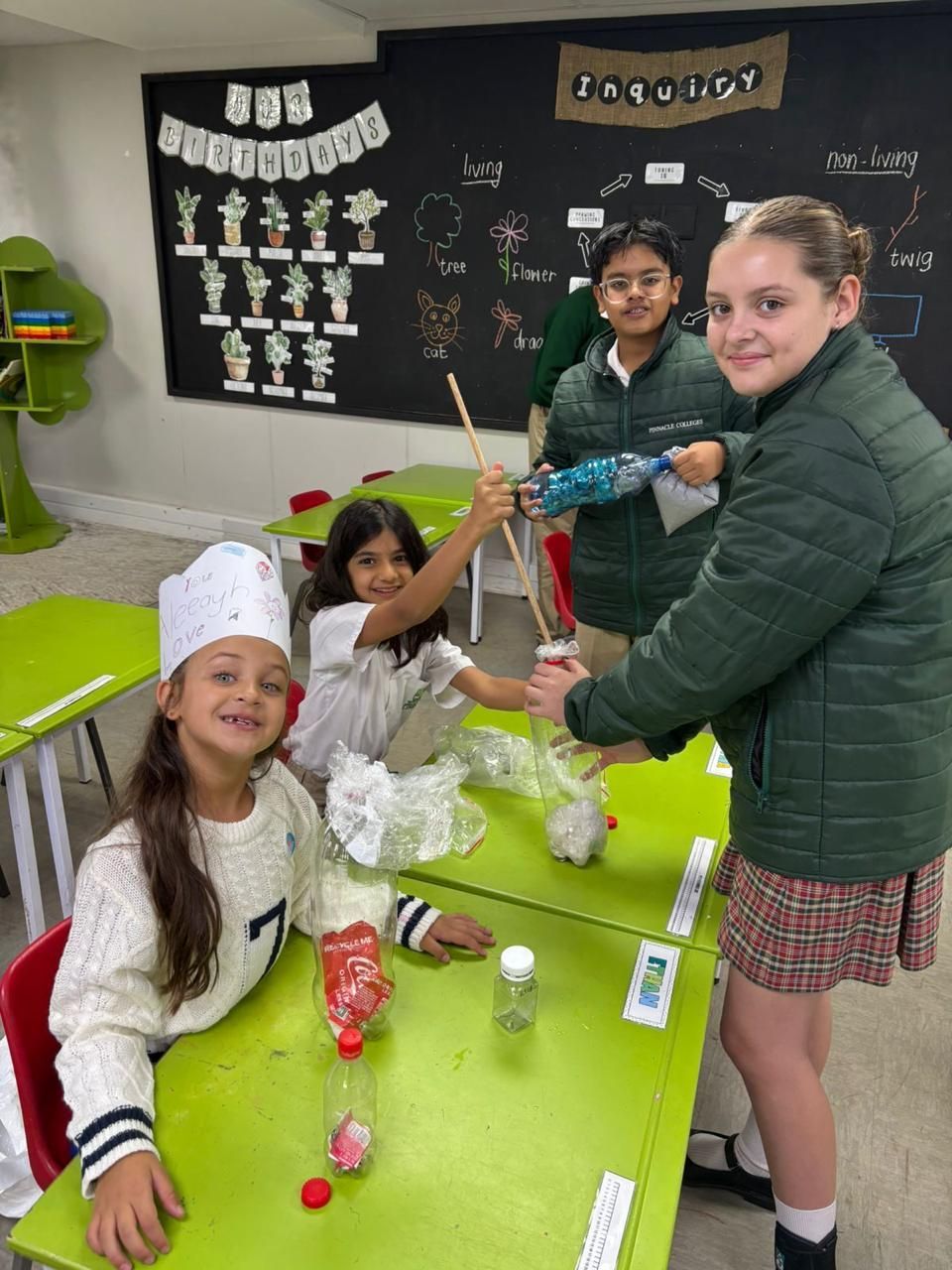
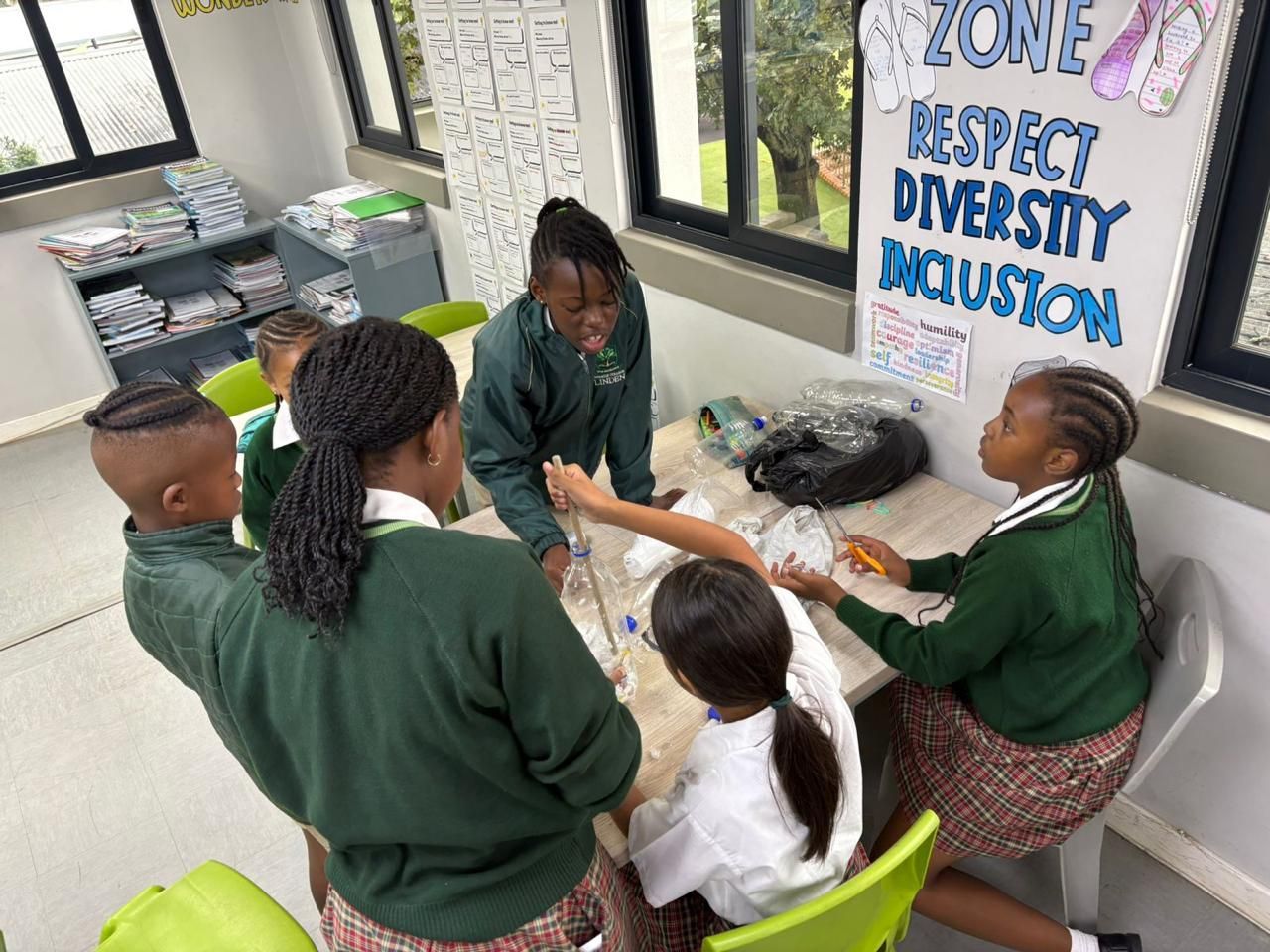
At Pinnacle College Linden these efforts are guided by a collaborative team of WESSA teacher leads who work together to embed sustainable practices into daily school life. Activities such as bottle top and bread tag collections, eco-brick projects and community drives are integrated into school routines, encouraging active participation.


Student leadership plays a critical role in driving this momentum. Johannesburg Mini Councillors and the WESSA Eco Committee empower students to influence peers, teachers and the wider school community. Peer-led initiatives foster a sense of ownership, making environmental responsibility both relatable and achievable.


“Students are far more receptive to messages driven by their peers,” says Naidoo. “This creates a culture where awareness becomes shared and action becomes collective.”


Teachers support this journey by embedding sustainability into everyday teaching. Lessons in Natural Sciences and Social Sciences are linked to real-world environmental challenges, ensuring that knowledge translates into action. Younger students are introduced to these concepts through mentorship structures, where older students guide discussions and activities in age-appropriate ways.


Recognition of these efforts is reflected in Pinnacle College Linden’s WESSA Silver Award, achieved with an impressive score of 91%. Continued investment in sustainability, including the implementation of solar energy systems, further reinforces a long-term commitment to responsible resource use.


Challenges remain, particularly in ensuring that recycling initiatives do not unintentionally encourage overconsumption. Clear messaging around reuse and reduction helps maintain focus on meaningful impact rather than quantity.


Parental involvement remains an important pillar. Guidance around initiatives such as eco-bricks and zero-waste lunches ensures that sustainability extends beyond the school gates into everyday family routines.


A broader message emerges through these efforts: impactful environmental change does not require perfection, but participation.


“Starting with simple, consistent actions can make a difference,” Naidoo concludes. “When students are involved in practical, hands-on activities, we begin to develop habits that last far beyond the classroom.”


International Day of Zero Waste serves as a reminder that global challenges can be addressed through local action. Each reusable container, each conscious choice and each student-led initiative contributes to a future shaped by responsibility and awareness.

March 3, 2026
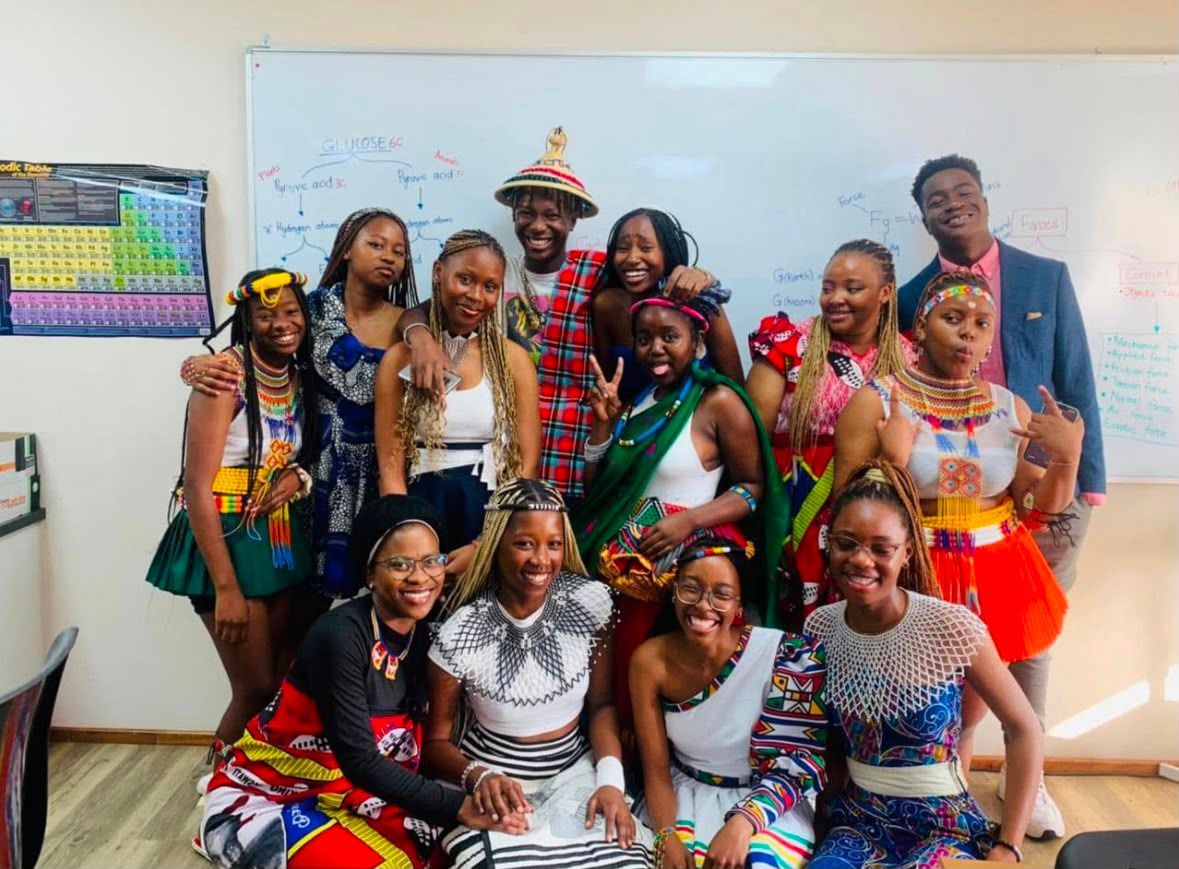
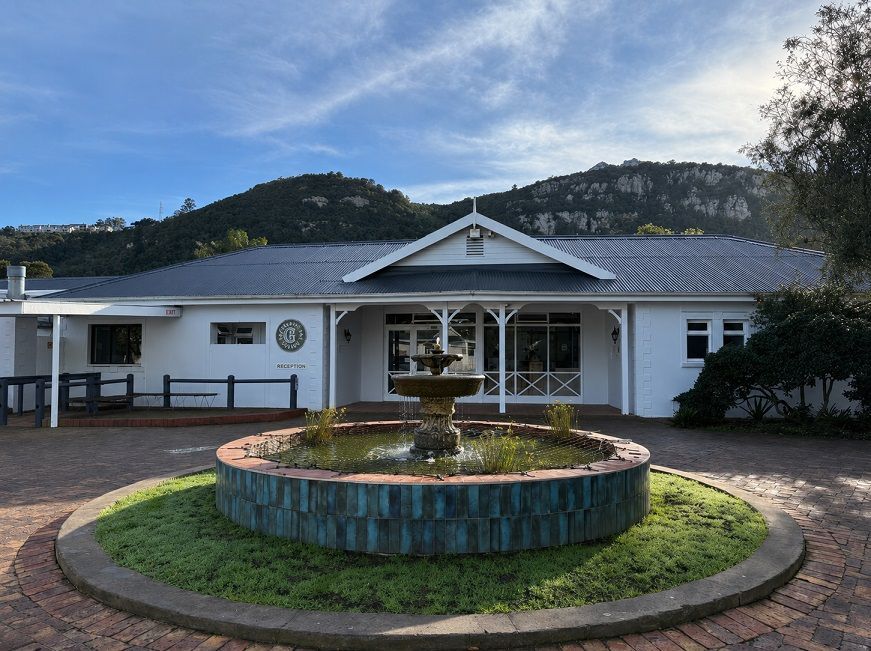
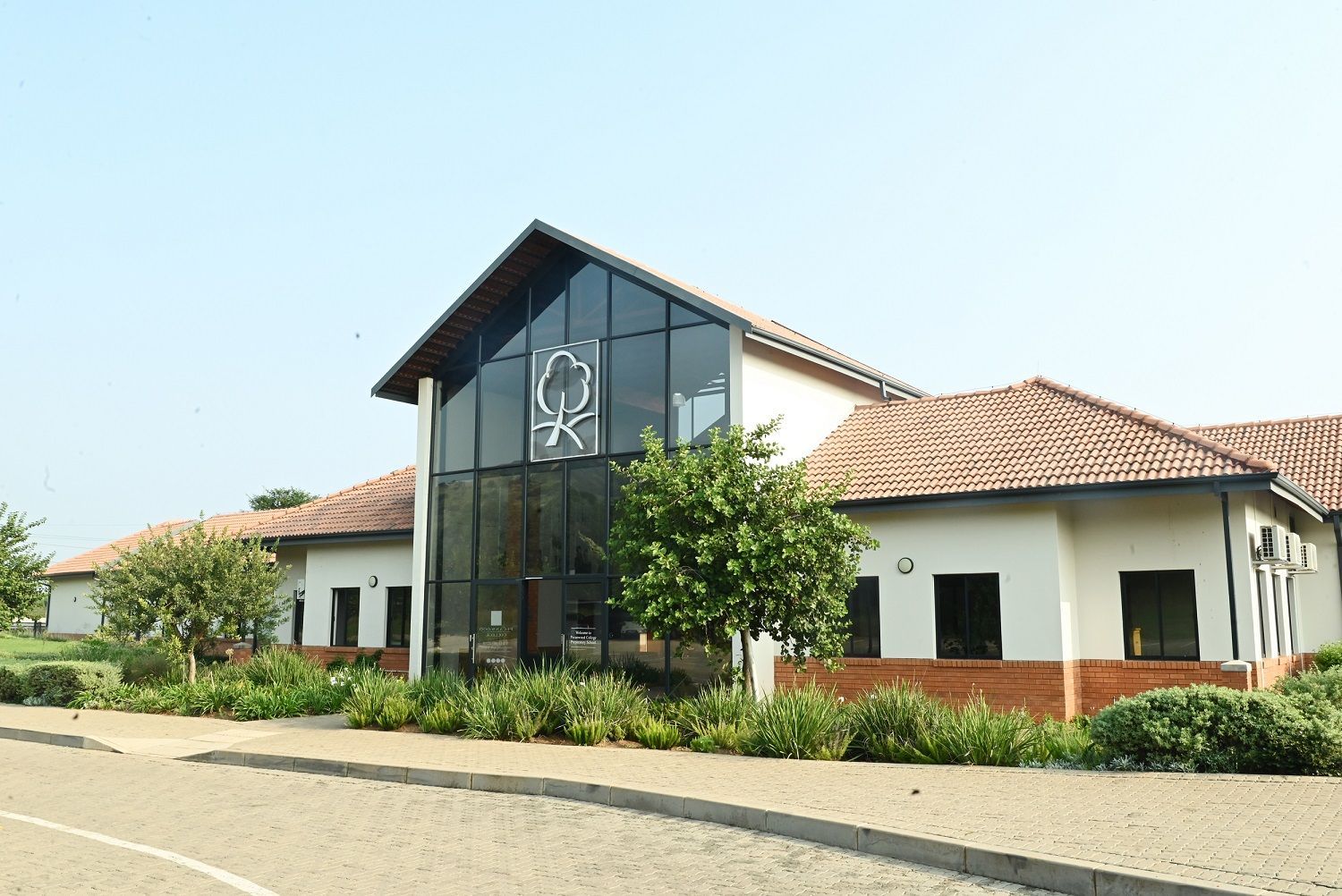
In a significant recognition of its leadership in sustainable education, ADvTECH - Africa's leading private education provider - has been honoured for exceptional environmental stewardship at the Wildlife and Environment Society of South Africa (WESSA) Centenary Awards. Celebrating a century of inspiring environmental action, education, and advocacy under the motto “People Caring for the Earth”, WESSA acknowledged ADvTECH's deep integration of the Eco-Schools South Africa programme for its unparalleled scale and impact. “As WESSA marks 100 years of environmental leadership, partnerships like the one we share with ADvTECH remind us why environmental education remains one of the most powerful tools for long-term change,” says WESSA CEO Cindy-Lee Cloete. “When 42 schools within a single education group commit to environmental stewardship, the ripple effect extends far beyond the classroom into homes, communities and ultimately into the future leadership of this country.” At the awards ceremony on February 27, 37 ADvTECH schools received Silver Awards status, which celebrates two years of WESSA collaboration, and the schools below have shown their lasting dedication by participating in environmental initiatives and raising awareness. Trinityhouse, Little Falls: Gold status (4 yrs.) Crawford International School, Sandton: Platinum 2 status (7 yrs.) Tyger Valley College: Bronze Decade status (12 yrs.) Pinnacle College, Ridgeview: Green Flag Decade status (13 yrs.) Pecanwood College: Platinum Decade 2 status (17 yrs.) Additionally, also recognised for submitting the most eco-snippets All of the ADvTECH participating schools achieved full assessment letters for their submitted portfolios of evidence, with scores ranging from 70% - 98%. Top achieving schools were: Crawford International School, La Lucia Maragon Olympus, Faerie Glen Crawford International School, Sandton Crawford International School, Lonehill Abbots College, Northcliff Additionally, ADvTECH received a Partnership Award in recognition of its outstanding and unique contribution to environmental stewardship. “It has been another incredible year working closely with the WESSA champions at our schools, as well as the dedicated WESSA team. Throughout 2025, we witnessed some of the most inspiring and comprehensive portfolios of evidence ever submitted, reflecting not only commitment but also genuine passion for environmental stewardship and sustainability. The quality, creativity, and consistency demonstrated by our champions have set a remarkable standard and continue to inspire positive change within their school communities,” says Krystal Munian, Academic Advisor and WESSA Lead.  “We extend our sincere gratitude to every champion and the school teams for their phenomenal hard work, perseverance, and dedication to advancing the project’s goals. And we are excited about the year ahead and look forward to building on this momentum through new activities, innovative initiatives, collaborative projects, and continued growth across all participating schools.”
July 25, 2025
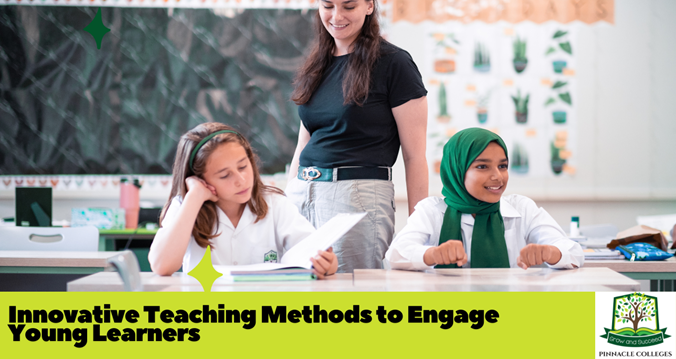
Innovative Teaching Methods to Engage Young Learners at Pinnacle Colleges
June 30, 2025
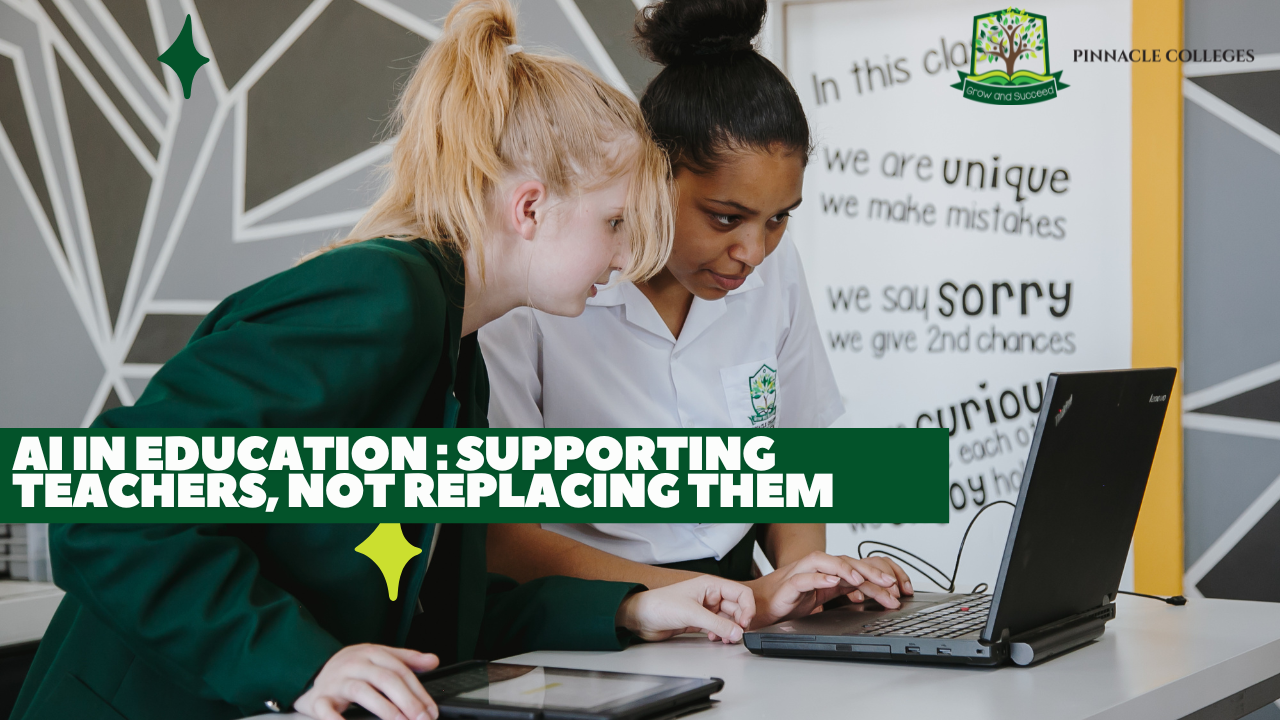
AI IN EDUCATION: SUPPORTING TEACHERS, NOT REPLACING THEM
June 19, 2025
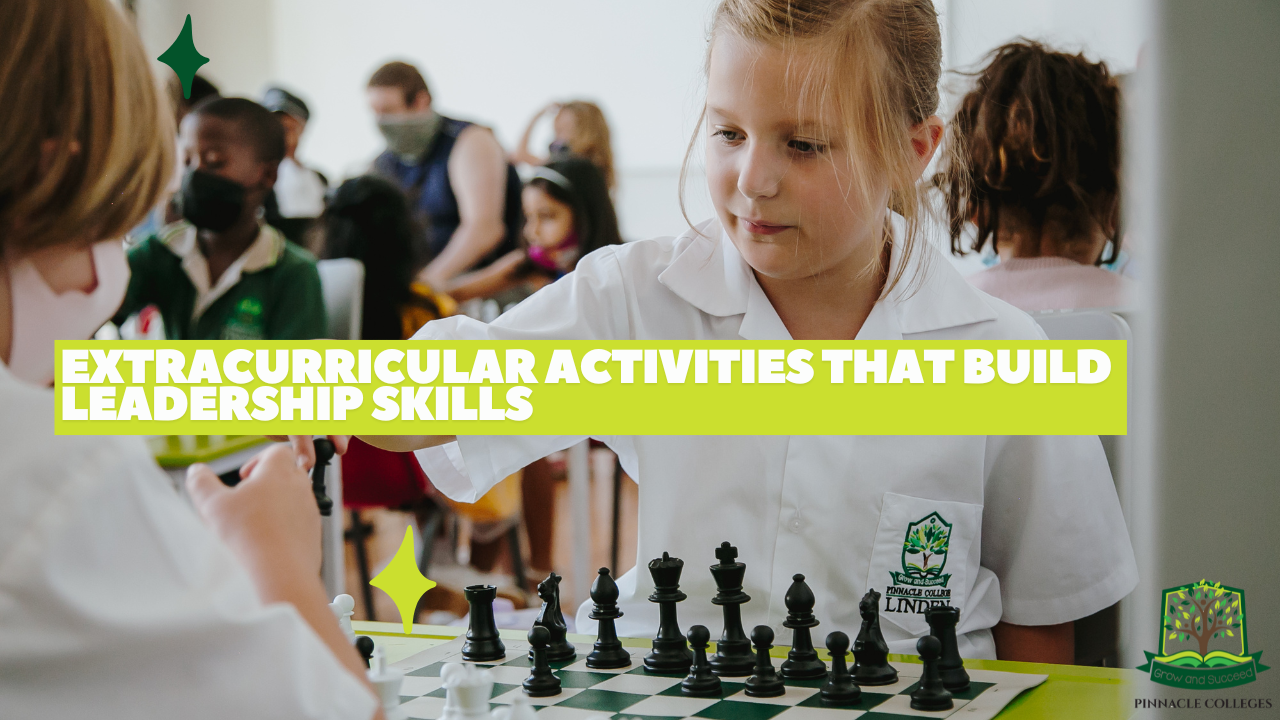
At Pinnacle Colleges, we believe that education goes beyond the classroom. As part of our commitment to nurturing well-rounded individuals, we offer a variety of extracurricular opportunities designed to develop essential leadership skills in our students.  Why Leadership Matters Leadership is more than just a title—it's about initiative, responsibility, and the ability to inspire others. These qualities are vital for academic success and for thriving in life beyond school. At Pinnacle Colleges, we empower students to become confident, capable leaders through hands-on experiences and values-based education. Leadership Programs and Student Government Our schools offer structured leadership programs and student government bodies where learners can take on real responsibilities. Whether it’s organizing school events, leading assemblies, or representing their peers, students develop communication, decision-making, and teamwork skills that will serve them for years to come. Sports: Building Teamwork and Resilience Participation in sports is a cornerstone of the Pinnacle Colleges experience. Our students learn the importance of discipline, collaboration, and perseverance—key aspects of effective leadership. Whether on the soccer field, netball court, or athletics track, learners are encouraged to set goals, support their teammates, and lead by example. Cultural and Club Activities From debate clubs to arts and music, our cultural programs encourage creative thinking and problem-solving. Students have the chance to organize performances, participate in competitions, and work together on projects, all of which foster leadership and initiative in a supportive environment. Community Service: Leading with Heart At Pinnacle Colleges, we believe in the power of giving back. Our community service initiatives allow students to engage with and make a difference in their communities. Through volunteering and outreach projects, learners develop empathy, social awareness, and the confidence to lead positive change. A Holistic Approach to Leadership As part of the ADvTECH Group, Pinnacle Colleges is committed to holistic education. We balance academic excellence with a strong focus on personal growth, ensuring that every student is equipped with the knowledge, skills, and values needed to succeed. Our approach to extracurricular activities reflects this philosophy—preparing students not just for exams, but for life. Ready to discover your leadership potential? Explore the wide range of extracurricular opportunities at Pinnacle Colleges and become the leader you are meant to be!
October 15, 2024
OCTOBER 2024 In South Africa, the ability to read for meaning is a critical skill that remains elusive for many children. According to the Reading Panel 2030 report, a staggering 78% of Grade 4 learners cannot read for meaning in any language. This alarming statistic underscores the urgent need to foster a love of reading among students to ensure their academic success and personal development. “Reading is foundational to learning and personal growth. It enhances vocabulary, improves comprehension, and stimulates imagination. Moreover, reading is linked to better academic performance across all subjects. For South Africa, where educational disparities are significant, promoting reading can be a powerful tool to bridge the gap and empower future generations,” says Kassandra Strydom, Academic Advisor: Foundation Phase at ADvTECH , Africa’s leading private education provider. Strydom emphasises that in a world dominated by social media and mobile devices, keeping a child's interest in reading can be challenging. However, she underscores that this is a vital responsibility for parents. “By integrating reading into daily life from a young age, and making it an enjoyable activity, parents can help their children develop a lifelong love for reading, thereby improving their prospects of personal and academic achievement,” she says. Strydom notes that the findings of the Reading Panel 2030 report highlight the critical need for efforts to ensure that all children in South Africa can read for meaning by 2030. And while the Department of Education committed to addressing challenges identified in the report at a recent session where Basic Education Minister Siviwe Gwarube delivered the keynote address, the mammoth task could not be left to educators alone, she said. “Schools and teachers play an important role in teaching students how to read, but few are equipped to instil a genuine love for reading by the time children begin formal education. This essential passion must be nurtured at home to create a supportive environment where students can thrive once they master their ABCs.” Strydom says parents play a pivotal role in nurturing a child’s love for reading, and says it can be done by: CREATING A READING-FRIENDLY ENVIRONMENT & LEADING BY EXAMPLE Second-hand books are often very affordable, and libraries are free, making it easy for families to fill their homes with a diverse selection that caters to their child's interests and reading level. Choosing books together can be a fun and exciting activity, providing valuable parent-child bonding time. Once the books have been selected, engaging in paired or shared reading experiences can enhance this connection. Creating opportunities to read together in a relaxed and intimate setting—whether snuggled on the couch or curled up in bed—makes reading feel special. This not only fosters a love for reading but also connects the activity to positive emotions and quality time spent together. By modelling positive reading habits and setting aside dedicated reading time each day, parents can help cultivate a lifelong passion for books in their children. USING TECHNOLOGY WISELY Excessive screen time can negatively impact children’s development, prompting many schools to limit mobile phone usage to create more focused learning environments. To balance screen time at home, families can implement "reading timeouts" that benefit both child and parent. While there are numerous reading apps and platforms that can make reading engaging, it’s important to choose those that offer personal learning pathways, allowing children to explore content beyond just reading. These apps can foster deeper engagement with reading material by connecting it to real-world situations and encouraging critical thinking. However, it’s essential to also incorporate non-screen reading to ensure children develop a well-rounded love for literature alongside their digital experiences. MAKING READING AN INTERACTIVE EXPERIENCE When fostering a love for reading, it's important to ensure that the experience is interactive. Encourage children to engage with books before diving into the text by taking time for ‘picture walks’, where they can flip through pages and explore the illustrations. This approach helps minimise distractions and prepares them for a more focused reading experience. Consider using the "5 W" principle—asking who, what, when, where, and why questions about the book—to spark discussion and curiosity. Before reading, ask children what they think the story might be about, and always include the follow-up question, "How do you know that?" This encourages them to articulate their thoughts and develops metacognition—thinking about their thinking—making the reading experience richer and more meaningful. ENDS
By Kerri-Ann Michael June 4, 2024
Just as we teach our children to look both ways before crossing the street, we must teach them to think before clicking online.
A young boy is kicking a soccer ball in a field.
May 15, 2024
In a world where technology increasingly occupies children's attention, the importance of promoting physical activity cannot be overstated.
November 22, 2023
The school tells of the many charitable initiatives they have held so far.
August 30, 2023
24 Learners were announced as the schools new leaders for school.
August 30, 2023
Grade 11 learners from Pinnacle College Waterfall School were gathered in their school hall, and lectured on the importance of youth leadership, seeking knowledge, good social relations, and being receptive to mentorship programmes.